Mark Dixon: The Builder Who Turned Flexible Offices into a Global Work Engine
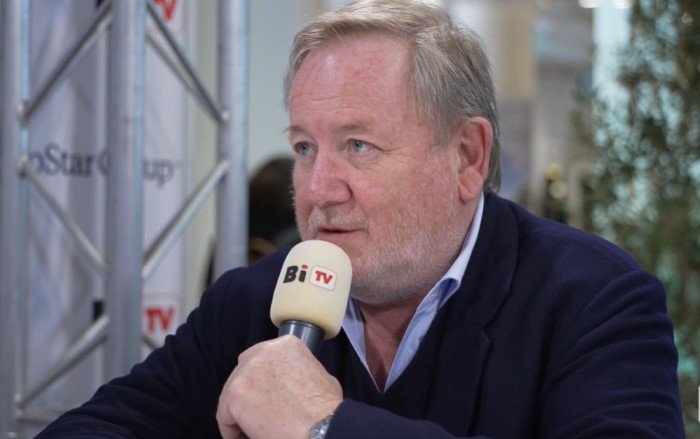
Mark Dixon is one of Britain’s most durable business builders. His name is tied to Regus, the serviced-office brand he founded in Brussels in 1989, and to International Workplace Group, better known as IWG. The company stands among the largest flexible workspace groups in the world, with brands such as Regus, Spaces, HQ and Signature. Its model is simple: instead of forcing firms into long leases, it gives them offices, desks, meeting rooms and services they can use with more freedom.
Mark Dixon Age and Early life
Mark Leslie James Dixon was born in Essex, England, on 2 November 1959. He grew up in a working family and left school at 16. That early exit did not stop him. It pushed him into selling, learning and taking risks while many future executives were still in classrooms.
As a boy, he sold topsoil to neighbours on a new housing estate. Later, he ran a sandwich delivery venture by bicycle. The sandwich idea did not make him rich, but it taught him cost, waste, speed and customer habits. He also worked as a barman, miner, farmhand and salesman. These were practical lessons in people, price and pressure.
Mark Dixon before Regus
Before Regus, he built businesses in food. He moved from sandwiches to food vans, then into bread rolls after seeing that the supply of buns could be a better business than selling the burgers themselves. That shift showed a trait seen again in his later career: he noticed the hidden need behind the visible trade. He sold The Bread Roll Company for a large sum in the late 1980s. That gave him capital and confidence. Soon after, he moved to Belgium, where the next stage of his life began.
Mark Dixon and the Brussels idea
In Brussels, Dixon noticed professionals meeting in cafés because they needed space without the burden of a long lease. A traditional office meant contracts, furniture, phones, staff, cleaning and many small problems before work could even begin. His answer was a ready-to-use office with service included.
Regus opened in 1989. The offer was clear: businesses could walk in, work, meet clients and leave the building details to someone else. It suited travelling executives, small firms, international companies and later start-ups. Long before remote work apps and cloud tools changed work, Regus gave companies a more flexible way to use real estate.
How Mark Dixon built Regus into IWG
Regus grew from one centre into a cross-border office network. It reached Latin America and Asia in the 1990s and later became a London Stock Exchange company. The rise was not smooth. The dot-com crash hit demand, the American arm entered Chapter 11, and the UK business needed outside capital. Dixon kept going, rebuilt the group, and regained strength as demand returned.
The business later became IWG, a wider group with more than one brand and a larger aim: giving workers and firms access to office space closer to where they live, travel or do business. By the end of 2025, IWG had 4,609 workspace locations, more than one million rooms and operations in over 120 countries. Its 2025 system revenue was $4.5 billion, with adjusted EBITDA of $531 million.
Mark Dixon leadership move in 2026
In June 2026, Dixon moved from chief executive to executive chair. Christian Schmitz became chief executive, while Dixon stayed close to strategy and the board. This was a major moment because he had led the company for nearly four decades. Founder-led firms often face a hard handover. In this case, the change kept his experience inside the group while giving daily control to a new leader.
Mark Dixon net worth and business stake
Dixon’s wealth is closely tied to IWG shares, so it can rise and fall with the market. He has been a billionaire at points in his career, lost much of his share wealth after the early 2000s crash, and then rebuilt it as the company recovered. In recent years, British wealth rankings and business coverage have placed his fortune in the high hundreds of millions to over £1 billion.
He has also remained a major shareholder. That matters because his personal wealth and the company’s long-term value are connected. Unlike hired managers who may move on quickly, Dixon has spent most of his adult life with the business he created.
Mark Dixon and the hybrid work debate
Dixon’s view of work is not that everyone should stay at home. It is also not that everyone should sit in a central office five days a week. His idea is closer to “work near home”. He sees long commutes as wasteful, and he argues that many people work better when they have a professional space close to their life.
That view fits IWG’s growth into suburbs and smaller towns. A worker may not need a tower in a city centre every day. A team may need a meeting room twice a week, a quiet desk near home, or a private office for a short project. This is where the IWG model aims to sit. The model also answers a clear business problem. Companies do not always want fixed leases during uncertain times. Flexible offices turn property from a heavy promise into a tool that can be scaled up or down.
Life outside IWG
Dixon is based in Monaco and has five children. He was married to journalist Trudy Groves; the marriage ended in divorce in 2005. Away from offices, he has built a serious wine and hospitality interest. He owns Château de Berne in Provence, part of a wider wine group linked with Provençal estates. The property combines wine, hotel, food and tourism. He has also backed English wine through estates in the south of England. In this second field, the pattern is familiar: buy an asset, improve the service, use brand strength, and build for the long term.
Why Mark Dixon still matters
The story of Mark Dixon is not only a rags-to-riches tale. It is a lesson in spotting friction. He saw that offices were too hard to rent, too slow to set up and too costly to leave. Regus solved that pain before the world had the language of hybrid work. His career also shows how a founder can survive cycles. He saw boom, crash, debt pressure, rivals, remote work, office returns and the rise of hybrid culture. IWG did not win by being loud. It won by staying useful.
Today, his role is different, but his influence remains strong. As executive chair, he is no longer running every part of the company day to day. Yet the idea he built still shapes how millions of people work. Mark Dixon turned a café-table problem in Brussels into a global workspace system, and that is why his name still carries weight in modern business.
FAQs
1: Who is Mark Dixon?
Mark Dixon is a British entrepreneur best known as the founder of Regus, the flexible office business that later became part of IWG. He built the company from a single workspace idea in Brussels into a global business serving companies, freelancers and hybrid workers across many countries.
2: What is Mark Dixon famous for?
Mark Dixon is famous for changing how businesses use office space. Instead of long leases and heavy costs, his Regus model gave companies ready-to-use offices, meeting rooms and services with more flexible terms. This idea became even more important as hybrid working grew.
3: Is Mark Dixon still the CEO of IWG?
Mark Dixon moved from chief executive to executive chair of IWG in 2026. This means he no longer manages the company day to day, but he remains involved in the group’s direction, strategy and board-level decisions.
4: What is Mark Dixon’s net worth?
Mark Dixon’s net worth changes with the value of his business holdings, especially his stake in IWG. He has been named among Britain’s wealthy business figures, with his fortune often placed in the high hundreds of millions to over £1 billion, depending on market conditions.
5: Why is Mark Dixon important in modern business?
Mark Dixon is important because he helped create the flexible workspace industry before hybrid work became common. His business model gave firms more freedom, reduced office risk, and offered workers professional spaces closer to where they live or travel.